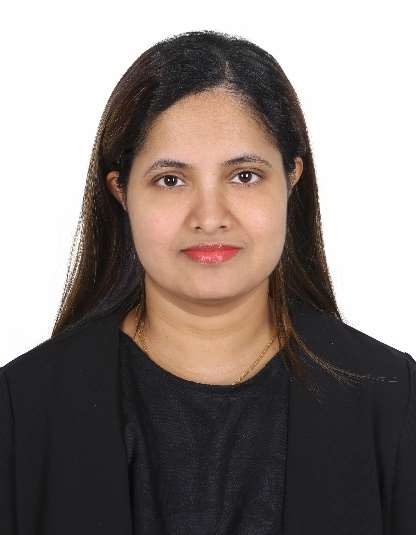
Where in Dubai
Dr. Surekha Boreddy Veera practises at NMC Specialty Hospital in Al Nahda, Dubai. Your first visit is a consultation, not a commitment to surgery. If an operation is advised, she explains which keyhole procedure is planned and what your insurance company is likely to ask for. Most UAE insurers need pre-approval for planned surgery, so the paperwork is usually done before a date is fixed.
What is laparoscopic (keyhole) gynecology surgery?
Laparoscopic surgery is often called keyhole surgery. Instead of one long cut across the tummy, the surgeon makes a few small cuts, usually no longer than about one and a half centimetres. The tummy is gently filled with gas so the organs can be seen clearly. A thin telescope with a camera, called a laparoscope, sends a picture to a screen. Fine instruments pass through the other small cuts. In gynaecology, keyhole surgery is used both to find the cause of a problem, such as pelvic pain or difficulty getting pregnant, and to treat it. It can remove ovarian cysts, fibroids, endometriosis, scar tissue or the womb itself. Compared with open surgery, most women have less pain, smaller scars, a shorter hospital stay and a quicker recovery.
Who it can help
- Women with ongoing pelvic pain or painful periods where scans have not found the cause.
- Women with an ovarian cyst, fibroids or endometriosis that needs an operation.
- Women who need a hysterectomy and are suitable for the keyhole approach.
- Couples having trouble getting pregnant, where the tubes need to be checked.
- Women who want a permanent method of contraception (tubal ligation) or need scar tissue (adhesions) released.
How Dr. Surekha approaches it
Dr. Surekha Boreddy Veera is a Specialist Gynecologist and Laparoscopic Surgeon. She completed DNB training in obstetrics and gynaecology in 2017 and a Fellowship in Advanced Laparoscopy at Pandit Hospital and 3D Laparoscopic Centre in Ahmednagar, India, in 2021. Her CV lists total laparoscopic hysterectomy, laparoscopic myomectomy, ovarian cystectomy, endometriosis surgery, release of adhesions, laparoscopic-assisted vaginal hysterectomy, tubal ligation and tuboplasty, and diagnostic hystero-laparoscopy. She also performs open and vaginal operations, so the approach can follow your case rather than the other way round.
What to expect
Consultation
She asks about your symptoms, examines you and reviews any scans you already have. Bring earlier reports and a list of your medicines.
Tests
You may need an ultrasound scan, blood tests or other scans to plan the operation and check that you are fit for an anaesthetic.
Deciding together
She explains whether keyhole surgery suits you, what it involves, the risks and the recovery. You decide, and you can take time to think.
The operation
Keyhole surgery is done under a general anaesthetic. Depending on the procedure, it can take from under an hour to a few hours.
Going home
Many women go home the same day or the next day. After larger operations, such as a hysterectomy, the stay is usually a little longer.
Follow-up
You return to have the small wounds checked and to go through any results, such as tissue sent to the laboratory.
Recovery, in general terms
Every patient is different. These are typical milestones, not a promise; your own plan comes from your consultation.
- Pain in the shoulder tip for a day or two is common. It comes from the gas used during surgery and settles on its own.
- Short walks from the first day help your recovery.
- After a small diagnostic laparoscopy, many women are back to normal activities within about a week.
- After larger keyhole operations, recovery typically takes several weeks. Your own timeline is discussed before surgery.
- Avoid heavy lifting until you are told it is fine.
Risks to know about
- Infection or bleeding at the small cuts or inside the tummy.
- Uncommon injury to the bowel, bladder or a blood vessel, which may need further surgery.
- Needing to change to open surgery during the operation, if keyhole surgery is not possible.
- Blood clots and the general risks of an anaesthetic.
When to book a visit
Book a visit if pelvic pain, heavy periods or a known cyst or fibroid is affecting your daily life. After keyhole surgery, seek help the same day for fever, worsening tummy pain, vomiting, or a wound that is red, hot or leaking.
Where to book
Dr. Surekha Boreddy Veera sees patients at NMC Specialty Hospital in Al Nahda 2, Dubai, next to the Bait Al Khair Building. The hospital is open 24 hours and sits close to Al Qusais and the Sharjah border.
NMC Specialty Hospital, Al Nahda
7A Street, Al Nahda 2, next to Bait Al Khair Building, Dubai, United Arab Emirates
Questions patients ask
Does insurance in Dubai cover laparoscopic gynecology surgery?
Many Dubai plans cover keyhole surgery when it is medically needed, usually after pre-approval. Cover varies by plan, so check your policy and ask the hospital to confirm before you book.
Is keyhole surgery suitable for everyone?
Not always. Very large fibroids, some cysts, previous major surgery or certain health conditions can make open surgery the better choice. Dr. Surekha Boreddy Veera explains which approach suits you after examining you and reviewing your scans.
How big are the scars?
Usually two to four small cuts, each no longer than about one and a half centimetres. One is often hidden in the belly button. They fade over the following months.
How long will I need off work?
It depends on the operation. After a diagnostic laparoscopy, many women return to desk work within about a week. After a keyhole hysterectomy or fibroid removal, it is usually a few weeks. Physical jobs need longer.
Will I be awake?
No. Laparoscopic surgery is done under a general anaesthetic, so you are asleep throughout. An anaesthetist meets you before the operation to go through it.