Where in Dubai
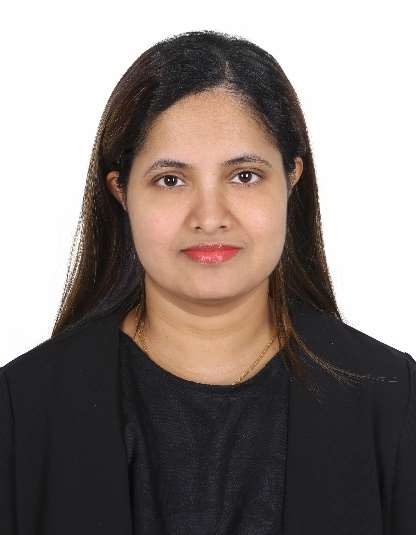
Dr. Surekha Boreddy Veera sees women with fibroids at NMC Specialty Hospital in Al Nahda, Dubai. Bring any earlier ultrasound or MRI reports to your first visit, as they help her compare growth over time. If surgery is advised, your insurer usually needs to approve it first. Many women plan their operation around work leave, and recovery time differs a lot between a hysteroscopic and an open myomectomy.
What is fibroid removal (myomectomy)?
Fibroids are growths of muscle in or on the wall of the womb. They are not cancer and are very common. Many women have them without knowing. Others have heavy or long periods, pelvic pain, a swollen tummy, or pressure on the bladder or bowel. A myomectomy is an operation to remove fibroids and keep the womb, so a pregnancy is still possible afterwards. It can be done by keyhole surgery (laparoscopic myomectomy), through a larger cut in the tummy (open myomectomy), or through the vagina with a camera when the fibroid sits inside the womb (hysteroscopic myomectomy). The route depends on the size, number and position of the fibroids.
Who it can help
- Heavy periods, with tiredness or low iron from blood loss.
- Pelvic pain, pressure, or needing to pass urine often.
- A tummy that looks or feels swollen because of fibroids.
- Women who want to keep their womb, including those planning a pregnancy.
- Fibroids that may be affecting fertility, after assessment.
How Dr. Surekha approaches it
Dr. Surekha Boreddy Veera lists laparoscopic myomectomy, open myomectomy and hysteroscopic procedures among her skills. She completed a Fellowship in Advanced Laparoscopy in 2021. Not every fibroid needs an operation. Small fibroids without symptoms are often only watched. When treatment is needed, she explains the choices, including medicines and surgery, and which route suits your fibroids.
What to expect
Consultation
She asks about your periods, pain and pregnancy plans, and examines you.
Scans
An ultrasound scan maps the size and position of each fibroid. Sometimes an MRI is needed. A blood test checks for low iron.
Choosing a treatment
Options may include watching, medicines, a hormone coil, or surgery. You go through the benefits and risks of each.
The operation
A myomectomy is done under a general anaesthetic. A hysteroscopic myomectomy needs no cuts in the tummy.
Follow-up
A review visit checks your healing and the laboratory report, and gives advice about timing a future pregnancy.
Recovery, in general terms
Every patient is different. These are typical milestones, not a promise; your own plan comes from your consultation.
- After a hysteroscopic myomectomy, most women go home the same day and recover within a few days.
- After a laparoscopic myomectomy, a hospital stay of one or two days is common, with recovery over about two to four weeks.
- After an open myomectomy, recovery typically takes about six weeks.
- You may be advised to wait a few months before trying to get pregnant, so the womb can heal.
Risks to know about
- Bleeding, which sometimes needs a blood transfusion.
- Infection, and scar tissue (adhesions) inside the pelvis.
- Fibroids can grow back over time.
- Rarely, a hysterectomy is needed during the operation to control bleeding. This is discussed beforehand.
- After some myomectomies, a caesarean birth may be advised in a future pregnancy.
When to book a visit
Book a visit if your periods are heavy enough to flood, pass large clots or make you tired, or if you feel pelvic pressure. Seek urgent care for very heavy bleeding, fainting, or sudden severe pelvic pain.
Where to book
Dr. Surekha Boreddy Veera sees patients at NMC Specialty Hospital in Al Nahda 2, Dubai, next to the Bait Al Khair Building. The hospital is open 24 hours and sits close to Al Qusais and the Sharjah border.
NMC Specialty Hospital, Al Nahda
7A Street, Al Nahda 2, next to Bait Al Khair Building, Dubai, United Arab Emirates
Questions patients ask
Should I have my fibroid scan done before I visit?
It is not required. If you already have a recent scan, bring the report and images. If not, a scan can be arranged after your consultation.
Can fibroids turn into cancer?
Fibroids are benign, and they very rarely become cancer. A fibroid that grows fast after the menopause needs checking. Your scans and examination guide whether any further tests are needed.
Can I get pregnant after a myomectomy?
Yes, many women do. The womb needs time to heal first, often a few months. You will be told whether a caesarean is advised for a future birth, which depends on how deep the fibroids were.
Do all fibroids need surgery?
No. Fibroids that cause no problems can usually be left alone and checked from time to time. They often shrink after the menopause.