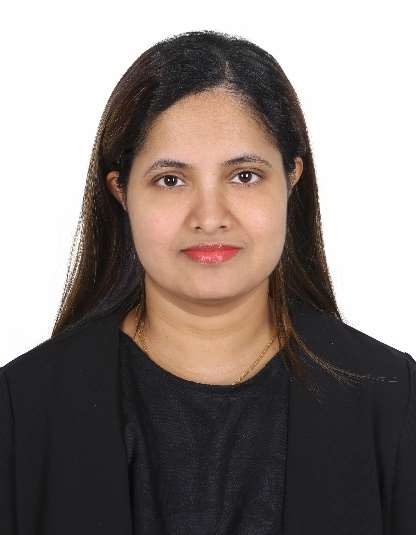
Where in Dubai
Dr. Surekha Boreddy Veera sees women with high-risk pregnancies at NMC Specialty Hospital in Al Nahda, Dubai, and delivers babies there. Closer care means more visits, so think about travel and work leave early. Dubai summers are hot and humid. Drink plenty of water, avoid long spells outdoors at midday, and report swelling or headaches promptly rather than putting them down to the heat.
What is high-risk pregnancy care?
A pregnancy is called high risk when the mother or baby has a higher chance of a problem than usual. That label does not mean something will go wrong. It means the pregnancy is watched more closely, so any problem is found early and managed well. Common reasons include high blood pressure or pre-eclampsia, diabetes before or during pregnancy, thyroid disease, carrying twins or more, a previous caesarean, earlier miscarriages or premature births, and being older or having a health condition before pregnancy. Care usually means more frequent visits, extra scans to check the baby's growth, regular blood pressure and sugar checks, and a clear plan for when and how the baby is born.
Who it can help
- Women expecting twins or more.
- High blood pressure, pre-eclampsia, or diabetes in this or an earlier pregnancy.
- A previous caesarean, premature birth, stillbirth or repeated miscarriage.
- Long-term conditions such as thyroid disease, epilepsy or heart disease.
- Pregnancy at an older age, or after fertility treatment.
How Dr. Surekha approaches it
Dr. Surekha Boreddy Veera lists high-risk pregnancy care as a specialisation on her CV. Her DNB thesis, accepted in 2017, was a prospective study of complications for mothers and babies in twin pregnancies. At Burjeel Specialty Hospital in Sharjah, from 2024 to 2025, her work included high-risk obstetric cases and high-risk caesarean sections. She now delivers babies at NMC Specialty Hospital, Al Nahda.
What to expect
Early booking
Come as early as you can, ideally before 10 weeks. Bring reports from earlier pregnancies and any specialist letters.
A plan for your pregnancy
She explains your risks in plain words and sets out the visits, scans and tests you will need.
Closer checks
Extra growth scans, blood pressure checks and blood or sugar tests, depending on your condition.
Planning the birth
From the third trimester, you plan together when and how the baby is likely to be born, and what happens if plans change.
After the birth
Some conditions, such as high blood pressure or diabetes, need follow-up after delivery. This is part of your plan.
Recovery, in general terms
Every patient is different. These are typical milestones, not a promise; your own plan comes from your consultation.
- Recovery depends on how the baby is born. Most women go home within a few days.
- If you had high blood pressure, it is checked again in the days and weeks after birth.
- After gestational diabetes, a blood sugar test is usually advised some weeks after the birth.
- A postnatal check at about six weeks reviews your health and plans for any future pregnancy.
When to book a visit
Book early if you have a long-term condition, are expecting twins, or had problems in an earlier pregnancy. Seek urgent care for bleeding, severe headache, blurred vision, sudden swelling of face or hands, fluid leaking, or fewer baby movements.
Where to book
Dr. Surekha Boreddy Veera sees patients at NMC Specialty Hospital in Al Nahda 2, Dubai, next to the Bait Al Khair Building. The hospital is open 24 hours and sits close to Al Qusais and the Sharjah border.
NMC Specialty Hospital, Al Nahda
7A Street, Al Nahda 2, next to Bait Al Khair Building, Dubai, United Arab Emirates
Questions patients ask
Is high-risk pregnancy care covered by insurance in Dubai?
Maternity cover differs a lot between plans, including waiting periods and limits. Extra scans and tests may need approval. Check your policy early and ask the hospital what your plan includes.
Does high risk mean my baby will have problems?
No. Most women with a high-risk pregnancy have healthy babies. The label means you get closer checks, so that any problem is spotted early and acted on.
Will I need a caesarean if my pregnancy is high risk?
Not necessarily. Many women with high-risk pregnancies have a vaginal birth. The plan depends on your condition, the baby's position and how the pregnancy goes.
I am expecting twins. What is different?
Twin pregnancies have more scans, more visits and a higher chance of early birth, high blood pressure and growth problems. Twin pregnancy was the subject of Dr. Surekha Boreddy Veera's thesis research.
Can I fast in Ramadan during a high-risk pregnancy?
Please talk to your doctor before fasting. For some conditions, such as diabetes or high blood pressure, fasting can be harmful. Pregnant women have an exemption from fasting in Islam.